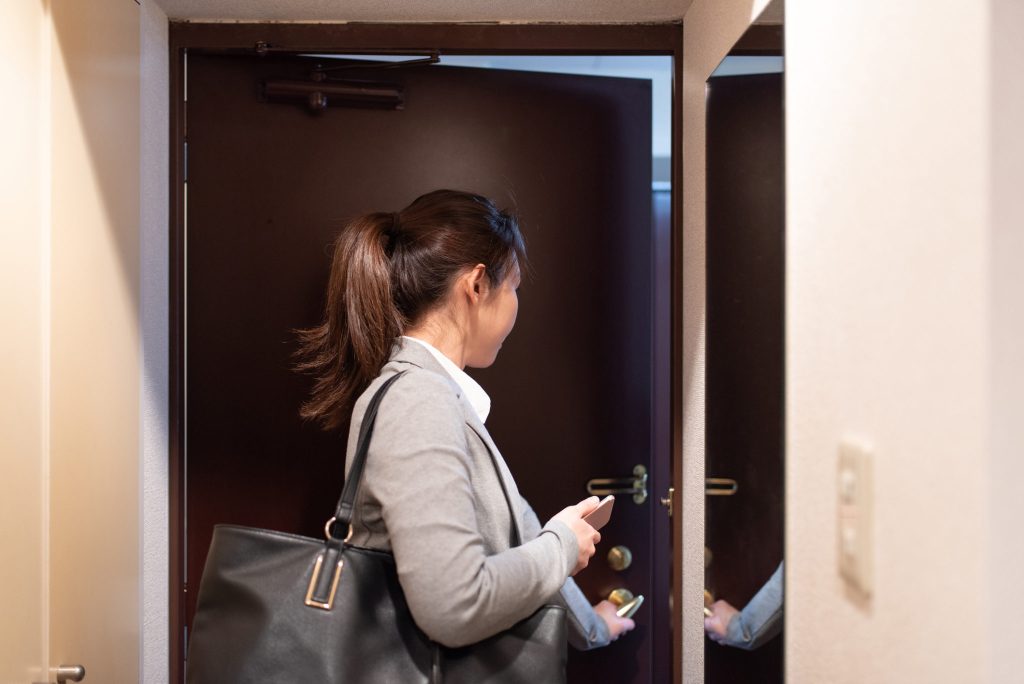
Ending a rental situation isn’t just about turning in keys and driving off into the sunset. Nope. It’s a bit like a breakup — only the other party owns your old home, and there’s paperwork. If you don’t handle it right, you might end up paying extra, losing your security deposit, or getting stuck in a lease you swore you’d escaped.
With a mix of planning, clear communication, and a smidge of Texas-style stubbornness, you can make it as smooth as possible.
Know What You Signed Up For
First thing: dust off that lease agreement and actually read it — yes, all of it. This thing is your roadmap for how to exit the relationship without penalties. Most leases spell out how much notice you must give, what condition the place must be in, and what happens if you leave early. Don’t skip this part assuming anything is a gamble, leases are not known for forgiving guesses.
Also, understand that breaking a lease isn’t as simple as saying farewell. Some places let you out cleanly if certain conditions are met, others charge fees, and a few behave like that ex who insists you pay for the last dinner even though you picked up the check.
Give Notice Like an Adult
Once you know the rules, give your landlord written notice of your intent to move out. Do it in a way that won’t come back to bite you later — professional, clear, and timestamped. Include your name, the address, your planned move-out date, and a polite request for your security deposit back if you’ve left the place in decent shape.
And don’t just drop it in conversation at the mailbox — get it documented. In landlord land, “I told him” only counts if there’s proof.
Leave the Place in One Piece
Cleaning and repairs matter more than most people admit. Many leases require a clean condition, which basically means: no mystery stains, no leftover junk, no holes where your wall art once lived. A little elbow grease now can mean getting that security deposit back later.
Take photos of the place after you’ve cleaned and patched holes, just in case someone later claims you left behind the remnants of a miniature paintball war. It happens. And if you’re feeling wild, document everything with photos and notes — walls, floors, appliances, all other things that look off.
Communicate, Don’t Ghost
Just like any breakup worth doing right, communication matters. If you need to negotiate terms or ask for flexibility — maybe you’re moving before the lease is up — talk to your landlord. Don’t disappear and hope for the best since that’s how people end up in small-claims court, which is neither fun nor free.
Keep a record of all emails, texts, and conversations. If your landlord says something verbal that matters later, you’ll be glad you saved the receipts.
When Things Get Weird
Sometimes the landlord will try to keep your deposit over tiny stuff, or claim damage you didn’t cause. That’s when you lean on documentation, lease language, and calm persistence. You’re not being dramatic — you’re being thorough.
And remember: if you’re breaking up because the place was legitimately unlivable, there are ways to assert your rights and ask for release from the lease respectfully. But do it professionally, not like you’re storming out of a bar yelling.
A Quick Word on Moving Help
If all of this feels like too much at once, our Rise Up Moving team can take a ton of the heavy lifting off your plate. We’re experienced with tight timelines, access challenges, and making sure your move itself doesn’t add another layer of chaos to the whole “breakup” process.
When you’ve got pros handling the boxes, you can focus on the lease stuff instead of wondering where your furniture will fit.