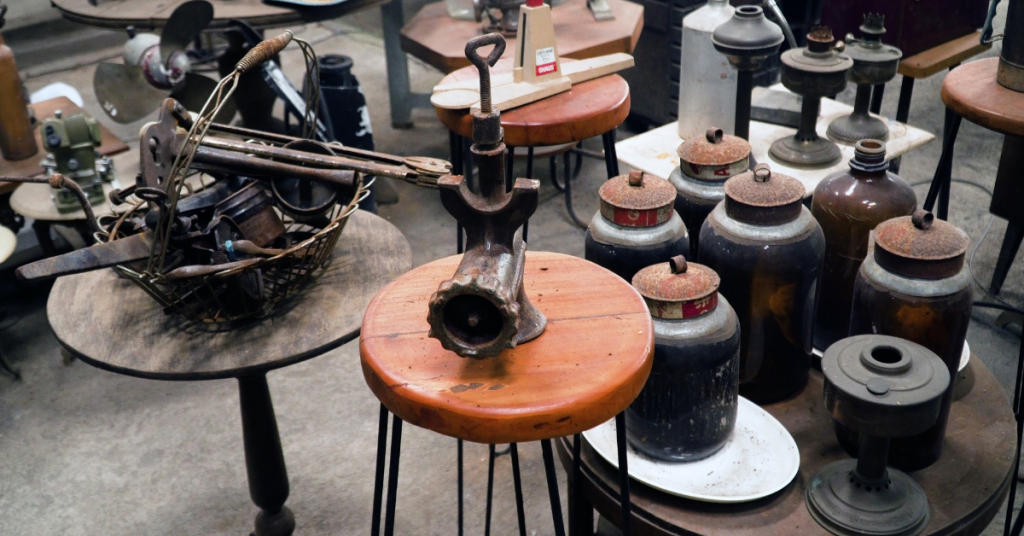
Antiques aren’t just furniture. They’re stories carved in wood, stitched into tapestries, and polished by generations of hands. A 19th-century mahogany dresser may have held your grandmother’s wedding linens. A vintage clock may have ticked through your father’s childhood nights. These pieces carry more than value — they carry memory.
Moving them across state lines isn’t just a logistics challenge. It’s an act of stewardship.
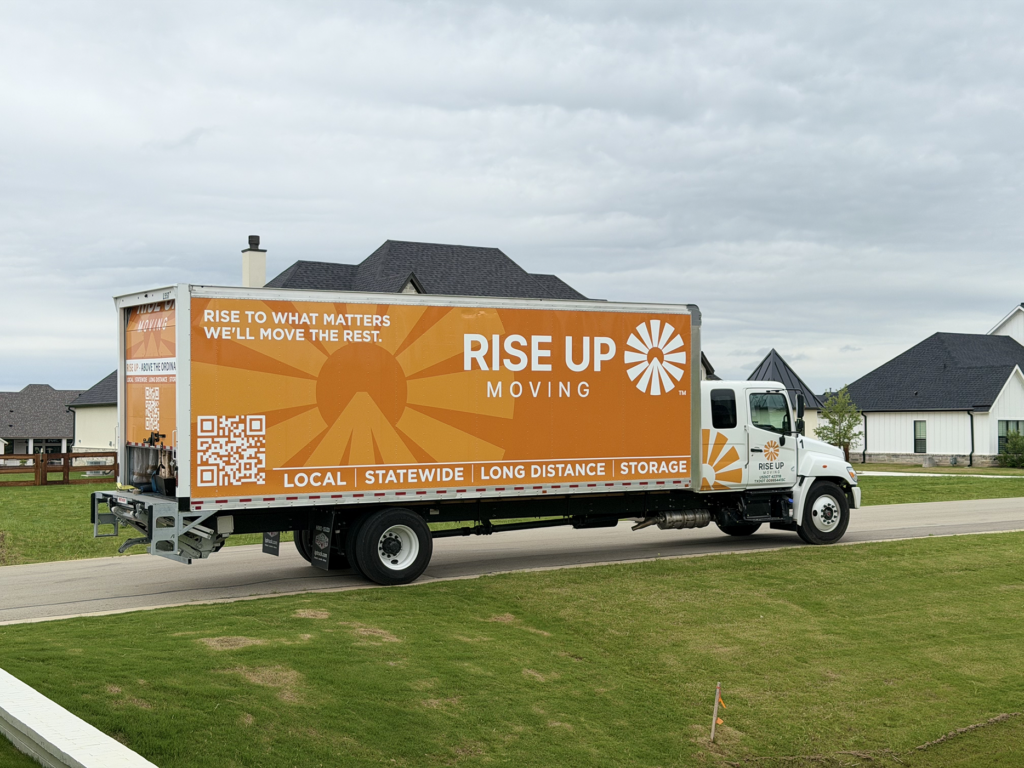
At Rise Up Moving, we’ve spent decades helping families transport heirlooms with the same care they were given — sometimes more. Here’s how to move your antiques safely, with dignity and precision.
Start with a Gentle Inventory
Before packing begins, take time to document each piece. Photograph it from every angle — front, back, sides, and close-ups of any carvings, inlays, or hardware. Note scratches, chips, or repairs. This isn’t just for insurance. It’s a quiet tribute.
Keep these photos in a digital folder and print a copy to keep with your moving documents.
Choose the Right Packing Materials
Antiques deserve more than bubble wrap and cardboard boxes. Use:
- Acid-free tissue paper to cushion delicate finishes
- Archival-quality moving blankets to protect surfaces from scratches
- Custom-cut foam inserts for fragile legs, handles, or glass panels
- Wooden crates for truly valuable or irregularly shaped pieces
- Avoid plastic wrap directly on painted or lacquered surfaces — it can trap moisture and cause damage over time.
And never use duct tape on wood finishes. Ever.
Disassemble With Care — Only When Necessary
If a piece can be taken apart — a table with removable leaves, a bed frame with bolts — do so. But only if you can reassemble it. Keep all hardware in labeled, sealed plastic bags and tape them to the matching piece. Write the name of the item on the bag: “Dining Table — Left Front Leg Bolt Set”.
If you’re unsure, leave it to the professionals. We’ve moved a 200-year-old Chippendale sideboard — intact — from Pennsylvania to Arizona. It didn’t come apart. It came with reverence.
Climate Control Is Non-Negotiable
Wood, veneer, and upholstery are sensitive to extremes. Heat dries out wood. Cold cracks finishes. Humidity swells joints. For long-distance moves — especially across states with wildly different climates — climate-controlled transport is not optional.
We use enclosed, temperature-regulated trucks for all antique shipments. No open trailers. No stacking under the sun. Your heirloom doesn’t ride in the back of a truck with lawn mowers and cardboard boxes. It rides with dignity.
Insure What Can’t Be Replaced
Standard moving insurance won’t cover the true value of an antique. If your piece is worth more than $5,000, opt for full-value protection — and have it professionally appraised before the move.
Keep the appraisal with your documents. Not because you expect damage but because you honor its worth.
Handle With Stillness, Not Speed
We’ve seen movers rush. We’ve seen families panic. Proper moves happen with care and attention to everything.
We assign one dedicated handler to each antique piece — someone trained not just in lifting, but in listening. They know how to support a carved chair at its center of gravity. They know how to open a drawer without jostling the brass pulls. They know that some things aren’t moved — they’re welcomed into a new space.
Let the Piece Breathe in Its New Home
When you arrive, don’t rush to unpack. Let the antique rest in its new room for 24 to 48 hours. Climate changes can cause wood to swell or contract. Give it time to adjust — just as you would.
Then, when you’re ready, gently place it where it belongs. Not because it fits the space — but because the space feels right for it. Antiques don’t need to be perfect. They need to be cherished. We don’t move furniture: we move family history.
At Rise Up Moving, we treat your heirlooms as if they were our own because we know what they mean to you. Let us help you carry your legacy forward — safely, gently, and with the quiet respect it deserves. Call us when you’re ready.