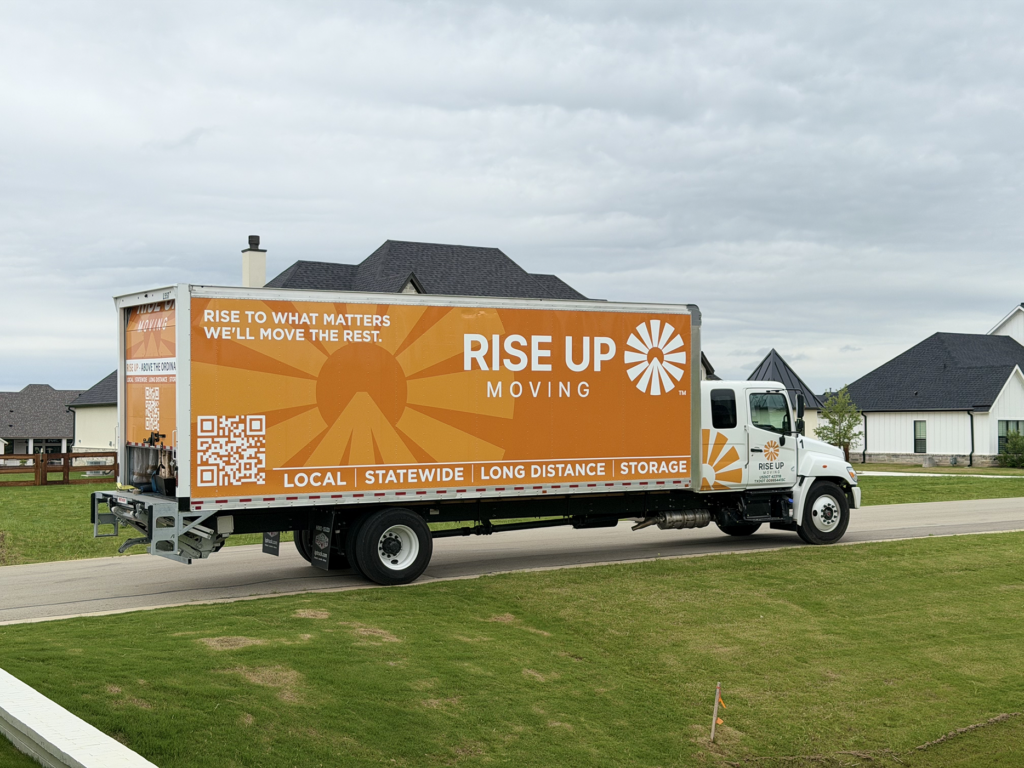
Moving isn’t just about getting things from one place to another.
It’s physical work. Heavy lifting, tight spaces, sharp corners — all of that adds up real quick. And if you’re not paying attention, it’s easy for small things to turn into injuries.
At Rise Up Moving, we always say — a smooth move starts with a safe one. So let’s go over the safety must-haves that really make a difference.
1. Proper Packing and Weight Control
One of the biggest mistakes? Overpacking boxes.
It sounds efficient, but heavy boxes increase the risk of injury and make everything harder to handle.
Keep boxes manageable, balanced, and easy to lift. It may take a few extra boxes — but your back will thank you later.
2. Protective Gear and Clothing
Now this part gets overlooked more than it should.
Wearing the right gear matters:
- Gloves to protect your hands
- Sturdy, closed-toe shoes with good grip
- Comfortable, fitted clothing
Loose or improper clothing can increase the chance of slips, trips, or getting caught on something mid-move.
Simple adjustments here go a long way.
3. Safe Lifting Techniques
This is a big one — and honestly, where most injuries happen.
Always lift with your legs, not your back. Keep items close to your body and avoid twisting while carrying.
And if something feels too heavy? It probably is.
No harm in getting help or using proper equipment.
4. Moving Equipment That Actually Helps
You don’t want to muscle everything through — that’s how things go wrong.
Use tools like:
- Dollies and hand trucks
- Lifting straps
- Furniture sliders
These reduce strain and help you move heavier items safely and efficiently.
Work smarter, not harder. Always.
5. Clear Walkways and Safe Environment
Before anything gets lifted, take a look around.
Clutter, loose rugs, cords, poor lighting — all of that creates risk. Clear paths make a huge difference in preventing accidents.
Also — keep kids and pets out of the moving areas. It’s just safer that way.
6. Wrap and Secure Hazardous Items
Sharp objects, glass, tools — anything that could cause injury needs to be packed carefully.
Wrap knives, secure loose parts, and make sure nothing is exposed or shifting inside boxes.
It’s one of those small steps that prevents bigger problems later.
7. Stay Hydrated and Take Breaks
Now listen — this isn’t a race.
Moving is physically demanding, and pushing too hard without breaks leads to fatigue, mistakes, and injuries.
Drink water, pace yourself, and take breaks when needed.
You’ll actually move better that way.
8. Emergency and First Aid Essentials
Always have basic safety items nearby:
- First aid kit
- Water
- Phone access
- Emergency contacts
Even with the best planning, things can happen — and being prepared makes all the difference.
Final Thoughts
A safe move isn’t complicated — but it does require intention.
With the right preparation, proper equipment, and a steady pace, you can avoid most of the common risks that come with moving.
Rise Up Moving handles every step with safety, structure, and care — so you can focus on getting settled, not stressed.
Because at the end of the day a successful move isn’t just about getting everything there. It’s about getting there without anything going wrong along the way.