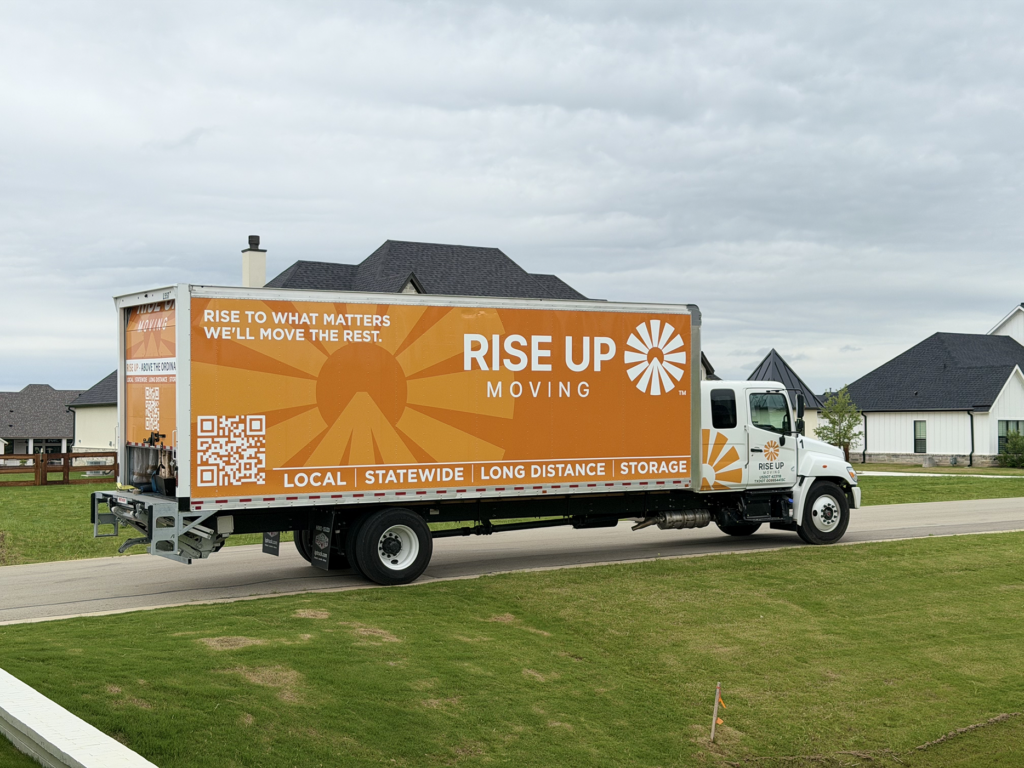
Long-distance moving isn’t just a simple relocation — it’s more like a logistical project with multiple moving parts: some predictable, others ain’t.
Proper planning helps reduce stress, cost, and the kind of mistakes that tend to show up at the worst possible moment. And they will show up. Here’s a friendly guide by Rise Up Moving to help you get the basics quick.
Before the Move
Preparation is where most of the real work happens, whether people admit it or not. Start by creating a clear plan that outlines what needs to be done and when — timelines matter more than enthusiasm. Research your destination, understand any local requirements, and get familiar with what you’re walking into. Guessing is not a strategy.
Go through your belongings and remove anything that doesn’t justify the effort of transporting it. If it hasn’t been used in a long while, it’s probably just along for the ride, and that ride isn’t free. Selling, donating, or discarding items reduces both volume and cost — basic math, nothing fancy.
It’s also worth organizing important documents ahead of time. Keep them accessible, not buried in a box labeled something vague like “miscellaneous”. Because once they’re gone, they’re gone, and suddenly your moving problem turns into a paperwork problem — which is worse.
During the Move
Packing requires a method, not just motivation. Start with items you won’t need immediately and work your way toward daily essentials. This approach keeps things manageable and prevents last-minute scrambling, which always looks worse than it feels.
Use appropriate packing materials — boxes of different sizes, protective wrapping, and reliable tape. Heavier items belong in smaller boxes, lighter ones in larger boxes. Ignore that rule and you’ll understand it physically, usually halfway through carrying something you regret packing that way.
Label everything clearly and consistently. Include both contents and destination rooms so unloading doesn’t turn into a guessing exercise. Some people remember where things are — most people don’t. Plan accordingly.
If possible, group or color-code boxes by room. It speeds up the process and reduces confusion when everything is arriving at once. Efficiency matters more than aesthetics here, though occasionally you get both.
After the Move
Once you arrive, focus on immediate necessities first. Having an essentials box with basic items — clothing, water, chargers — makes the first day significantly easier. Without it, you’ll spend time searching instead of settling in, which is an avoidable problem.
Take time to reassemble electronics and furniture methodically. If you documented setups beforehand, this part becomes straightforward. If not, it becomes interpretive. Not ideal, but survivable.
Finally, expect some level of disruption and adjust as needed. Even well-planned moves encounter unexpected issues, and flexibility helps keep things moving forward. That’s just part of the process — no way around it.