There’s a particular kind of move that feels less like leaving and more like adjusting the dial. Not a complete reinvention — a different frequency. That’s often what moving from San Francisco to Portland feels like.
You’re still on the West Coast. Good coffee remains almost suspiciously easy to find. Independent bookstores continue appearing exactly where you’d hope they would. Rain receives more attention than it probably deserves. People still debate neighborhoods with the seriousness usually reserved for politics or sports.
Yet the atmosphere changes. The pace softens a little. The streets stretch differently. The conversations seem to linger. Even silence behaves in its own peculiar way.
People often look at a map and think the move sounds straightforward. Head north for several hundred miles. Reach Oregon. Unpack. Continue life. Maps have admirable confidence. Reality prefers footnotes. A long-distance relocation contains dozens of quiet decisions that rarely appear on checklists until they’re suddenly important. Apartment access. Truck parking. Furniture protection. Lease dates. Utility activation. The oddly emotional question of which box should contain the coffee maker because tomorrow morning still intends to arrive, regardless of how many cardboard boxes currently occupy the kitchen.
Life enjoys practical jokes. Moving occasionally joins in. That’s why planning isn’t really about preventing disaster — it’s about making hundreds of small choices before they become urgent.
How the SF-to-Portland Route Works Logistically — Distance and Delivery Windows
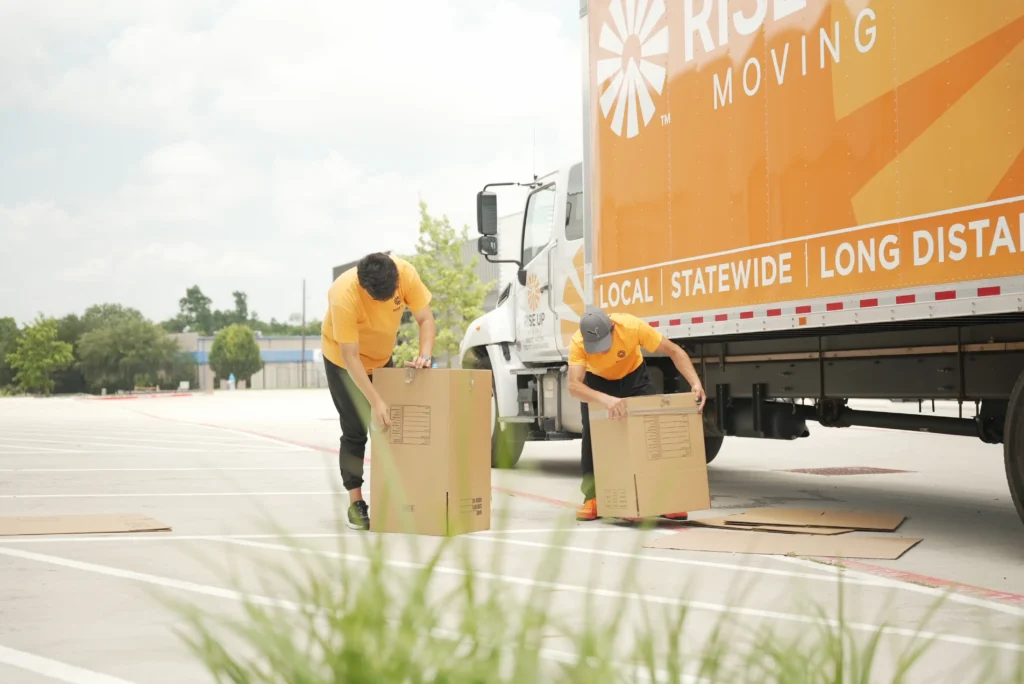
The trip between San Francisco and Portland covers roughly 630 to 650 miles, depending on your starting point and final destination. Professional movers rarely think in miles alone. They think in addresses, buildings, schedules, loading windows. Elevators and parking restrictions.
The highway simply connects everything together.
The Road Is Surprisingly Predictable
Interstate 5 carries the overwhelming majority of relocations between Northern California and Oregon. It’s a well-traveled corridor. Professional moving companies know it well. That familiarity matters. Routes become familiar. Fuel stops become familiar. Traffic patterns become not familiar exactly, but recognizable enough to deserve healthy respect.
Nobody promises empty highways. Wise people generally avoid making promises to highways.
The Buildings Create Most of the Problems
Imagine leaving a Victorian apartment in San Francisco with narrow staircases that appear to have been designed before wardrobes developed modern ambitions. Now imagine arriving at a Portland bungalow with wide hallways and a generous front porch. Pleasant.
Or imagine the opposite. Leaving a suburban home. Arriving at a downtown apartment requiring elevator reservations, loading dock appointments, and enough coordination to make a wedding planner quietly nod in approval.
The distance stays exactly the same. Everything surrounding it changes. Professional SF to Portland movers spend nearly as much time discussing buildings as they do discussing trucks.
Delivery Windows Exist for Good Reasons
One of the first questions clients ask is about when exactly will everything arrive. Everyone would love a wonderfully precise answer. Long-distance moving occasionally asks for a little patience instead.
Road conditions. Loading schedules. Traffic. Other deliveries. Driver regulations. Unexpected construction. These things have a habit of introducing themselves along the journey. That’s why movers typically provide delivery windows instead of one perfectly confident arrival time.
It’s not uncertainty. It’s honesty. There’s a difference.
The Journey Starts Long Before the Truck Moves
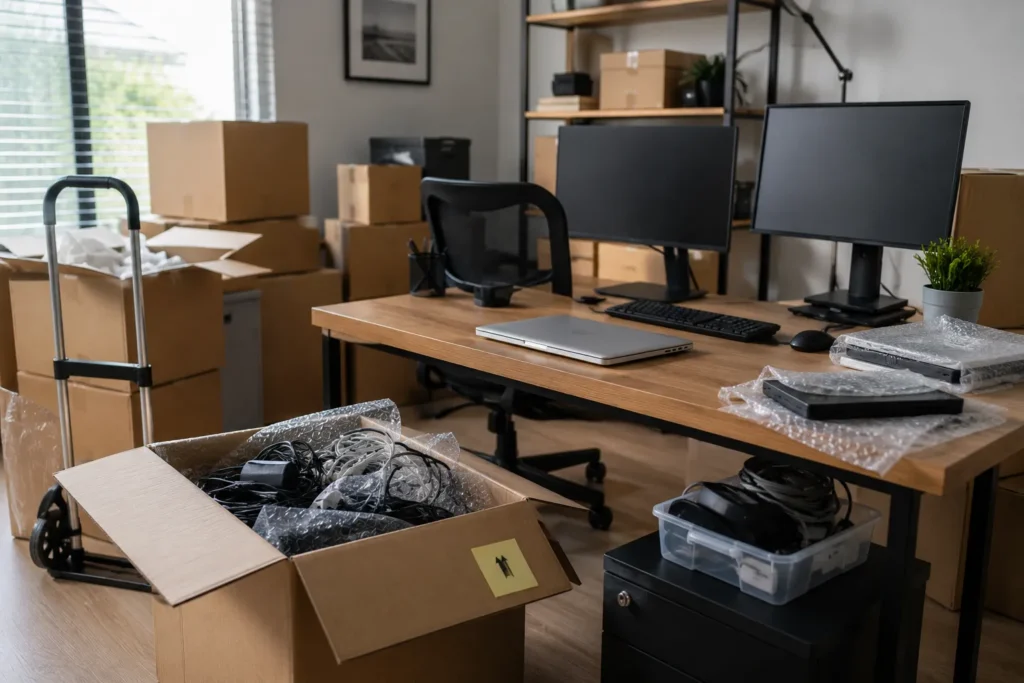
Packing. Inventories.Furniture preparation. Protective wrapping. Disassembly. Labeling. These tasks begin well before anyone starts the engine and, honestly, the truck itself often represents the easiest part of the process.
People tend to imagine the relocation as one long drive — professionals see it as dozens of carefully connected stages. Miss one and the next stage suddenly becomes much more bothersome than anyone hoped.
Every Household Creates Its Own Puzzle
No two inventories resemble each other for very long. One family owns mostly books. Another appears to have quietly collected fine art with remarkable dedication. Someone else has inherited antique furniture that has survived four generations and now expects one more successful journey. Then there are houseplants. Always the houseplants — entire conversations emerge from those alone.
Moving companies don’t relocate generic households. They relocate very specific lives. That distinction quietly shapes everything.
Price Range for This Move and the Factors That Shift It Up or Down
Sooner or later the conversation reaches money. It always does. Not because people are obsessed with pricing — because planning requires numbers. The San Francisco to Portland moving cost depends on several variables working together rather than one universal formula.
Mileage contributes. It’s simply accompanied by a rather large supporting cast.
The Amount You Move Changes Nearly Everything
A studio apartment asks one set of questions. A four-bedroom family home asks another. More furniture means larger trucks. More labor. Additional packing materials. Longer loading. Longer unloading. Sometimes additional scheduling.
The highway remains unchanged. The workload certainly doesn’t. Boxes possess remarkable confidence — they continue multiplying while everyone insists they packed only a few yesterday.
Some Belongings Quietly Rewrite the Estimate
Most furniture behaves cooperatively. A sofa understands it’s moving. Dining chairs usually accept the situation. Grand pianos remain unconvinced. Large safes. Custom-built furniture. Fine art. Wine collections. Commercial fitness equipment. Fragile antiques. Each requires specialized handling. Not impossible handling — simply different. Also different equipment. Also different protection. Sometimes different planning before moving day even begins.
The object stays exactly where it was. The moving strategy quietly rearranges itself around it.
Packing Services
Some people enjoy packing. Or at least they claim to until approximately the forty-third kitchen cabinet. Others look at an entire bookshelf and quietly decide that spending a weekend wrapping individual coffee mugs is not how they hope to remember this chapter of life.
Professional packing adds labor. It also adds stronger materials, careful organization, and considerably fewer evenings spent wondering why every cardboard box suddenly looks identical.
Access Has an Opinion About Pricing
People think about the move. Professional movers also think about access. Sometimes those conversations align beautifully. Sometimes they negotiate.
A truck parked directly outside the entrance creates one workload. A truck parked around the corner because street parking had already committed itself elsewhere creates another. Long carries. Shared elevators. Security requirements. Staircases. Loading restrictions. Tight hallways. Historic buildings. Modern high-rises. Every property quietly contributes its own chapter to the estimate.
Not because anyone enjoys complication — because architecture occasionally does.
Timing Changes More Than the Calendar
Summer remains popular. End-of-month lease cycles become busy. Holiday weekends attract attention. Shifting a moving date by several days occasionally opens more scheduling flexibility and, in some cases, more favorable pricing. Not always. Still worth asking.
Experienced movers generally appreciate those conversations because flexibility creates options. Options have a pleasant habit of solving problems before they exist.
Temporary Storage Sometimes Becomes the Missing Piece
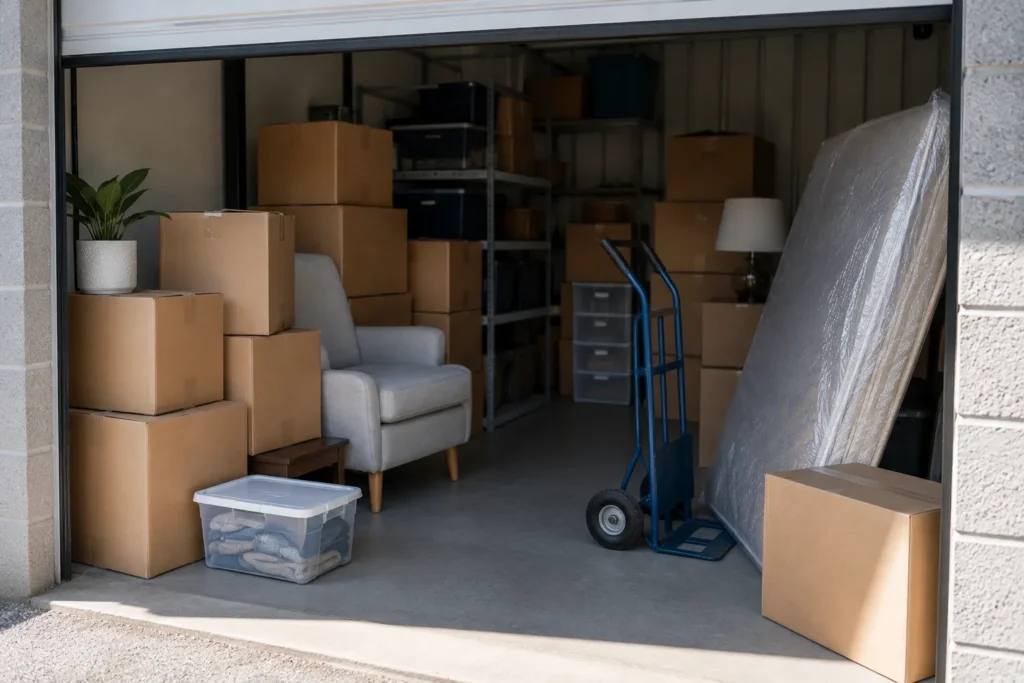
Life rarely arranges perfect transitions. Perhaps your Portland lease begins next week. Perhaps renovations continue. Perhaps closing paperwork decides it would prefer another few days. Storage fills those little gaps.
People sometimes think of storage as a backup plan. Quite often it becomes part of the original strategy. A brief pause between two homes can make the entire relocation feel noticeably calmer.
Sometimes slowing down for a moment occasionally helps everything move more smoothly.
What to Know About Portland Before Your Move: Neighborhoods and Cost of Living
The moving truck eventually leaves. The larger adjustment quietly begins afterward.
Changing cities isn’t only about finding the new address — it’s about discovering the new rhythm attached to it. Portland has one. It simply introduces itself gradually.
Neighborhoods Feel Like Small Communities
One of the first things newcomers notice is how distinct Portland neighborhoods feel from one another.
Some lean toward busy commercial streets lined with cafes, bookstores, breweries, and local shops where the owner somehow remembers your name after only two visits. Others remain almost surprisingly quiet, filled with mature trees, older homes, neighborhood parks, and streets that encourage evening walks for no particular reason beyond the fact that they’re pleasant.
People rarely agree on the top neighborhood. The better question usually becomes, “Which neighborhood feels most like the life you want to build?” Cities answer that question differently for everyone.
Cost of Living Brings a Different Balance
Many people arrive expecting every expense to shrink overnight. Reality prefers nuance.
Housing costs often feel more approachable than many parts of the Bay Area. Other everyday expenses remain fairly familiar. Utilities. Groceries. Transportation. Entertainment. Restaurant meals. Some categories shift more than others.
The interesting part isn’t always spending less. It’s spending differently. Budgets gradually rearrange themselves — people usually notice this several months after arriving rather than during the first week.
Daily Life Changes in Quiet Ways
Portland encourages different routines. You begin recognizing local parks. Weekend farmers markets become part of the calendar. Neighborhood coffee shops gradually replace whichever cafe used to know your order back in San Francisco. Trees somehow seem to participate in daily life rather than simply decorating it.
The city possesses a comfortable confidence. It rarely feels in a hurry. That’s contagious.
Give Yourself Time to Learn the City
There’s a temptation after any relocation to understand everything immediately. Resist it. Cities don’t reveal themselves all at once — they unfold through repetition.
A grocery store that becomes your regular stop. A bookstore discovered almost by accident. A shortcut that saves seven minutes during the afternoon commute. A favorite bakery found because you made one wrong turn and decided not to complain about it.
Those small discoveries quietly become home. Not the moving truck. Not the lease agreement. Certainly not the stack of flattened cardboard waiting beside the recycling bin.
The Real Move Happens Later
Every Bay Area to Portland move eventually reaches a moment that’s almost impossible to schedule.
It doesn’t happen during loading. Or unloading. Or the first night. One ordinary morning you wake up and instinctively know which route leads to your favorite coffee shop. You stop introducing yourself as someone who just moved. Friends ask how Portland is treating you, and instead of describing moving boxes or highway miles, you start recommending neighborhoods, parks, restaurants, and weekend walks as though you’ve quietly become part of the place yourself.
Memory edits quickly. The stress fades first. Then the logistics. Eventually even the drive north becomes a pleasant story rather than a recent event. Looking back, it can be tempting to think moving from San Francisco to Portland was mainly about mileage, schedules, inventories, and estimates. Those things certainly deserved attention. They helped everything arrive safely. Still, they weren’t really the point.
The point was creating a life that eventually feels so familiar you forget it ever needed to be assembled. Your favorite chair ends up in exactly the right corner. The coffee maker occupies the cabinet your hands reach toward without thinking. The books return to their shelves. Neighbors become recognizable faces. The city gradually stops introducing itself.
One quiet afternoon, without ceremony or announcement, Portland simply becomes the place where tomorrow starts. And that’s usually how you know the relocation is finally complete.