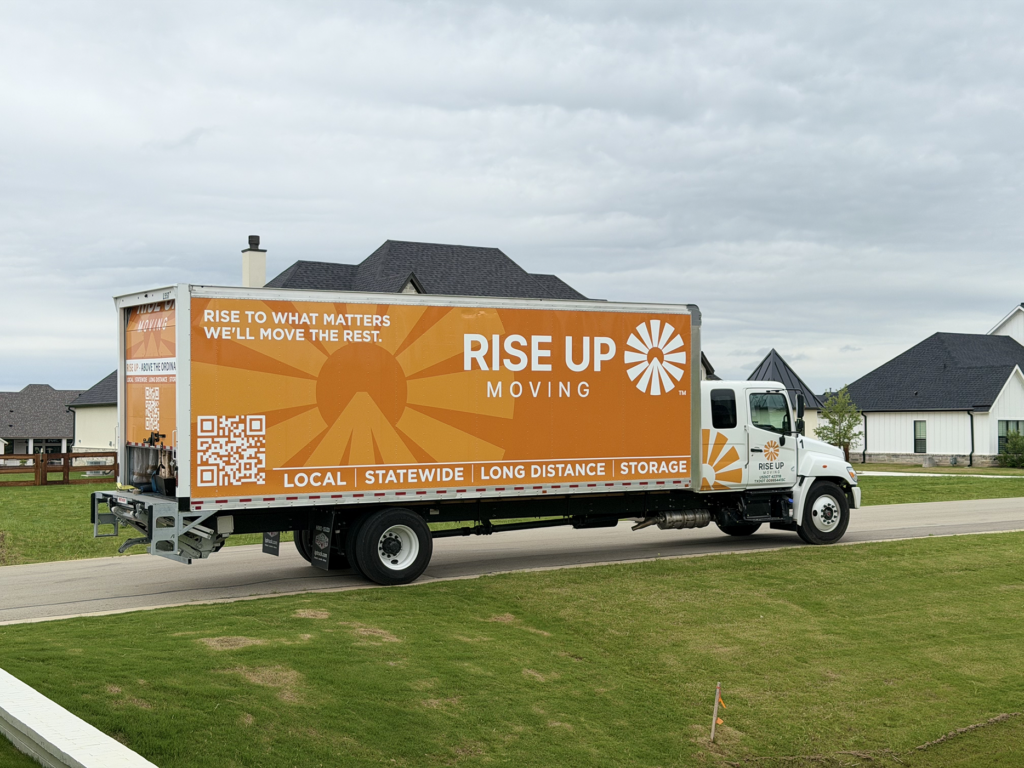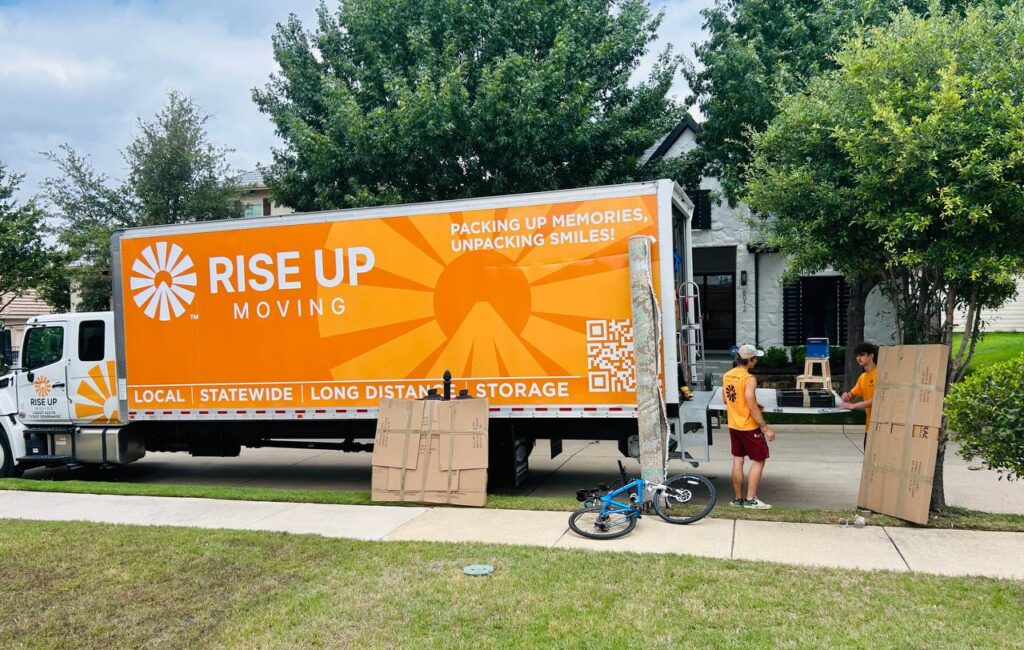
Some moves feel like changing neighborhoods. Others feel like changing chapters. Moving from Texas to California usually belongs to the second category.
The mileage explains part of it. So does the packing. The moving truck certainly has opinions. But the biggest adjustment often happens after the last box comes inside. New routines appear. Different traffic patterns. Different weather. Different grocery stores. Different ways people talk about housing. Californians have an interesting relationship with housing. Texans do too. They simply tell different stories.
For years the conversation mostly flowed in one direction. California to Texas. People changing coastlines for lower housing costs, different job markets, and larger homes. The headlines became so common they almost sounded permanent.
Reality, as usual, proved more complicated. Thousands of people continue making the opposite trip every year. Technology professionals accepting positions in Silicon Valley. Researchers joining universities. Healthcare workers relocating to major medical centers. Families returning to be closer to relatives. Military transfers. Entrepreneurs. Students. People who simply miss the Pacific Ocean enough that no spreadsheet quite settles the argument.
Life has an annoying tendency to ignore trends. In a charming way.
Learning about moving from Texas to California isn’t only about crossing state lines. It’s about understanding one of the country’s busiest long-distance relocation corridors and planning for everything that comes after the truck leaves.
Who Is Making the Texas-to-California Move in 2026 and What Is Driving It
People rarely relocate for just one reason. Ask someone why they’re moving. The first answer usually arrives quickly. A new job. Family. School. Better weather. Stay in the conversation another five minutes and the real answer quietly grows more complicated.
Career opportunities. Lifestyle preferences. Relationships. Personal history. The feeling that it might simply be time. Moving has always been strangely emotional for something involving so many cardboard boxes.
Technology Still Pulls People West
Despite changes in remote work, California continues attracting engineers, software developers, AI researchers, cybersecurity specialists, startup founders, and people whose job titles sound vaguely invented until someone explains them. Silicon Valley remains a global technology hub. San Francisco continues attracting finance, biotech, venture capital, and software companies. Southern California adds entertainment, aerospace, design, gaming, healthcare, and manufacturing into the mix.
Opportunities exist throughout Texas. They exist throughout California too. Sometimes the right opportunity happens to be twelve hundred miles away.
Universities Continue Drawing Students and Researchers
California’s universities remain powerful magnets. Graduate students. Medical researchers. Faculty. Laboratory staff. International scholars. Academic relocations have their own personality. Books, equipment. Tiny office collections accumulated over fifteen years. Coffee mugs from conferences nobody else remembers.
Academics travel with interesting cargo.
Family Doesn’t Fit Inside Economic Reports
Economic reports love measurable trends. Families don’t cooperate.
Parents grow older. Children are born. Grandparents need support. Siblings decide Thanksgiving works better when nobody has to cross three airports.
Suddenly relocation becomes less about employment statistics and more about Sunday dinner. Perfectly reasonable. Impossible to summarize neatly.
Climate Means Different Things to Different People
Texans understand heat. California understands variety. Coastal fog, mountain snow, desert afternoons, redwood forests, ocean breezes — the weather can change surprisingly fast depending on where you stand.
Someone moving to San Francisco often packs jackets they never expected to need after leaving Texas. Someone relocating to Palm Springs quickly discovers another version of summer entirely. California likes options. Sometimes several in the same afternoon.
Lifestyle Preferences Change Over Time
The neighborhood that felt perfect at twenty-eight might feel different at forty-two. Priorities shift.
Public transportation. School districts. Outdoor recreation. Professional networking. Restaurants. Music. Surfing. Quiet suburbs. Busy downtowns. None of these preferences are universally correct — they’re simply personal.
Which makes relocation simultaneously easier and much harder.
Remote Work Changed the Conversation, Not the Need to Move
Remote work certainly reduced some long-distance relocations. It also created new ones.
Employees discovered they could finally choose where they wanted to live instead of only where their office happened to be. Some chose Texas, others chose California. Some tried both.
Human beings remain delightfully unpredictable. Forecasting them resembles forecasting cats. Possible. Not especially precise.
Cost Breakdown for the Full Route — Dallas/Houston to SF, LA, and Beyond
This is usually the second question. The first is often, “How many boxes do we really have?” Nobody guesses correctly. Ever.
Distance Starts the Conversation
A Dallas to San Francisco move covers roughly 1,700 miles depending on routing. Houston adds a little more distance. Travel toward Los Angeles shortens some routes slightly while northern California destinations naturally extend others.
The mileage matters. It’s far from the only pricing factor.
Weight Quietly Controls Much of the Estimate
Professional movers don’t simply charge by geography. Belongings matter. A downtown apartment. A three-bedroom suburban home. A fully equipped workshop. A home office containing multiple servers. Each tells a different pricing story.
Furniture weighs more than people remember. Books possess surprising confidence. Exercise equipment behaves as though gravity likes it personally.
Access Conditions Influence Labor
Fourth-floor walk-up. Elevator reservation. Gated community. Long driveway. Urban loading zones. Historic buildings. Narrow staircases. Parking restrictions. The truck may spend only two days traveling. Loading and unloading often require the greatest concentration.
California cities occasionally introduce delightful logistical puzzles. San Francisco has hills. Remarkable ones. Anyone carrying a sofa notices quickly.
Timing Changes Prices More Than Expected
Summer remains popular. School calendars encourage it. Weather encourages it. Everyone else notices the same thing. Demand increases. Availability tightens. Prices often follow. Moving during quieter seasons sometimes produces greater scheduling flexibility and lower transportation costs.
Life rarely cooperates perfectly with ideal calendars. Still worth considering.
Specialty Items Add Complexity
Pianos, fine art, wine collections, commercial gym equipment, motorcycles, classic cars, specialized packing materials, additional labor, custom crating. Dedicated transportation. Some possessions insist on becoming projects of their own.
Not complaining. Just observing.
Storage Occasionally Joins the Story
Homes don’t always cooperate perfectly. The Texas property sells. The California home isn’t ready. Construction continues. Lease dates refuse to align. Temporary storage quietly becomes part of the relocation.
Sometimes for a week. Sometimes longer. Planning ahead usually prevents storage from becoming an emergency decision. Emergency decisions have intimidating price tags.
What Does It Usually Cost?
For most households, Houston to California moving cost or pricing from Dallas generally falls into broad ranges rather than fixed numbers.
A one-bedroom apartment may cost several thousand dollars. Larger family homes can reach significantly higher depending on inventory, specialty items, packing services, storage needs, access conditions, and delivery scheduling.
That’s why experienced Texas to California movers prefer conducting detailed inventories instead of offering suspiciously confident prices after hearing only, “It’s probably a three-bedroom house”. Probably is doing tremendous work in that sentence.
Detailed quotes almost always produce better surprises. Fewer surprises, actually.
What to Expect When You Arrive: Housing, Cost of Living, and Settling in Logistics
Arrival has an interesting rhythm. Excitement. Exhaustion. Boxes. Coffee. More boxes.
Then life slowly starts introducing itself.
Housing Feels Different
California housing markets vary enormously. San Francisco behaves differently from Sacramento. San Diego differs from Los Angeles. Smaller inland cities tell entirely different stories.
Competition can move quickly. Rental applications. Security deposits. Documentation. Credit verification. Preparation saves time. Organization saves even more. People relocating from Texas often notice homes feeling different too. Sometimes smaller, sometimes older. Sometimes closer together. Sometimes with views that make everyone forget they just carried twelve boxes upstairs.
Trade-offs arrive in many forms.
Transportation Depends on Location
Some California communities encourage walking. Others practically require driving. Public transportation improves flexibility in certain metropolitan areas. Elsewhere the car remains an old friend. Research commuting routes before signing a lease.
Maps look wonderfully simple. Rush hour occasionally offers alternative opinions.
Everyday Expenses Shift
Groceries. Fuel. Utilities. Insurance. Dining. Parking. Entertainment. Not every category changes equally. Some surprise newcomers, others balance out more than expected.
Budget adjustments usually feel easier when anticipated rather than discovered gradually through weekly receipts. Receipts possess remarkable honesty.
Register Early
Driver’s license. Vehicle registration. Insurance updates. Professional licenses if required. Voter registration. Mail forwarding. Utility transfers. Address changes.
Administrative tasks rarely inspire excitement. Completing them early prevents future headaches from developing impressive momentum.
Learn the Neighborhood Before Judging It
The first week rarely tells the whole story. Explore. Walk. Visit local cafes. Find parks. Discover grocery stores. Locate pharmacies.
Test commuting routes at actual commuting times. Neighborhoods reveal themselves slowly. Fortunately, you’re not interviewing them. They’re quietly interviewing you too.
Give Yourself Time
Relocation has momentum. So does adjustment.
The first grocery trip feels unfamiliar. The second feels easier. By the tenth you’re debating produce prices like a local. Humans adapt remarkably well. Usually faster than they believe.
Conclusion
A successful move isn’t measured only by mileage completed. It’s measured by how comfortably life begins again afterward.
For households moving from Texas to California, that means looking beyond transportation and understanding everything surrounding the relocation — housing, budgets, timelines, neighborhoods, documentation, and the surprisingly emotional process of building new routines.
Choosing experienced Texas to California movers certainly helps, but preparation remains the quiet hero of almost every successful long-distance move. Careful inventories, realistic budgets, flexible scheduling, and honest conversations about expectations usually accomplish more than rushing ever does.
Whether you’re planning a Dallas to San Francisco move, comparing a Houston to California moving cost, or simply beginning to research moving from Texas to California, remember that no relocation follows exactly the same script. Some arrive because of careers. Others because of family. Some because someone stood beside the Pacific Ocean one afternoon, looked west for a while, and quietly realized they weren’t quite finished with California after all.
Life has a peculiar way of making geography feel personal. Maybe that’s why the best long-distance moves rarely end when the truck pulls away. That’s simply the moment the address changes. Everything else takes a little longer. Usually over unpacked dishes, unfamiliar streets, and that first evening when the windows are finally open, the boxes are mostly gone, and the new place begins to sound just a little less like someone else’s home.