Moving to San Francisco is not just a relocation — it’s more like stepping into a system with its own rules, timing, and occasional attitude.
The city has its own rhythm, and if you don’t plan ahead, it will introduce you to that rhythm the hard way. With the right preparation and a little situational awareness, though, the process becomes manageable — even if it never feels entirely simple.
Before the Move
Planning ahead is not optional here — it’s foundational, like rebar in concrete, you don’t see it but everything depends on it. Start by researching neighborhoods, cost of living, transportation, and general expectations. San Francisco looks straightforward on a map, but it behaves differently in practice. Hills alone will change your opinion on walking distances.
Create a timeline and organize your move in stages so nothing stacks up at the last minute. Last-minute decisions tend to be expensive, rushed, and slightly regrettable — sometimes very. Go through your belongings and remove anything that doesn’t justify the effort of transporting it. Less volume means less complexity, which is always a good trade.
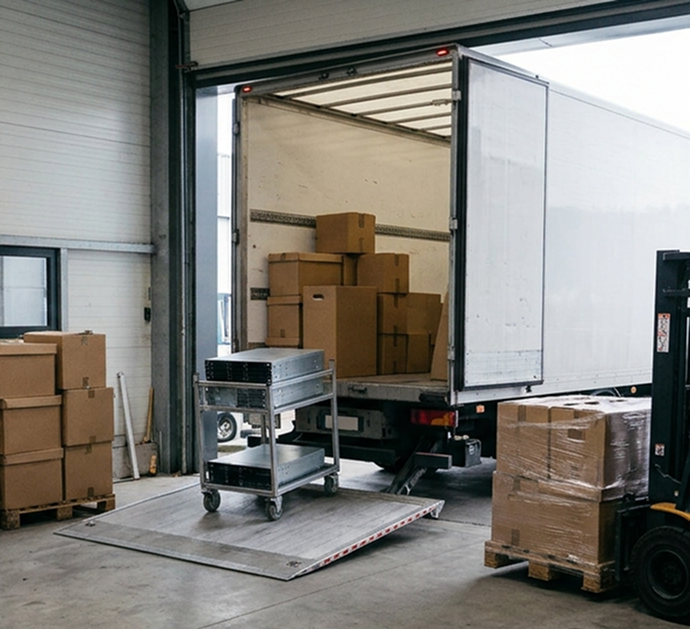
It’s also worth understanding building access rules ahead of time — parking, elevators, loading zones, all of it. San Francisco does not casually allow trucks to just “figure it out” on arrival. Knowing the constraints early saves time, and time, in this case, directly translates into stress avoided. Or at least reduced.
During the Move
Moving day tends to move faster than expected, even when the schedule looks reasonable on paper. That’s normal. Keep your process structured — packing should already be done in a logical order, boxes labeled clearly, essentials separated. If not, well, you’ll discover why that matters shortly.
Stay aware of timing, access, and coordination throughout the day. In a city like this, small delays compound quickly — traffic, parking limitations, building rules, all stacking up in ways that feel personal but aren’t. It’s just the system doing what it does.
Work methodically and avoid rushing, even when things feel behind. Rushing leads to mistakes, and mistakes during a move tend to involve things breaking, getting lost, or ending up somewhere creatively incorrect. None of those outcomes are ideal.
After the Move
Once you arrive, focus on establishing order before anything else. Set up essential areas first — sleeping, basic kitchen use, the kind of functionality that makes the space livable right away. You don’t need perfection, just operational stability.
Take time to get familiar with your surroundings gradually. San Francisco rewards exploration, but it doesn’t need to happen all at once. New routes, new routines, new everything — it adds up faster than expected, so pacing yourself actually helps.
Expect a short adjustment period where things feel slightly off. That’s normal. New environment, new logistics, new patterns — it takes a bit for everything to settle into place. It will, just not immediately, which is inconvenient but consistent.
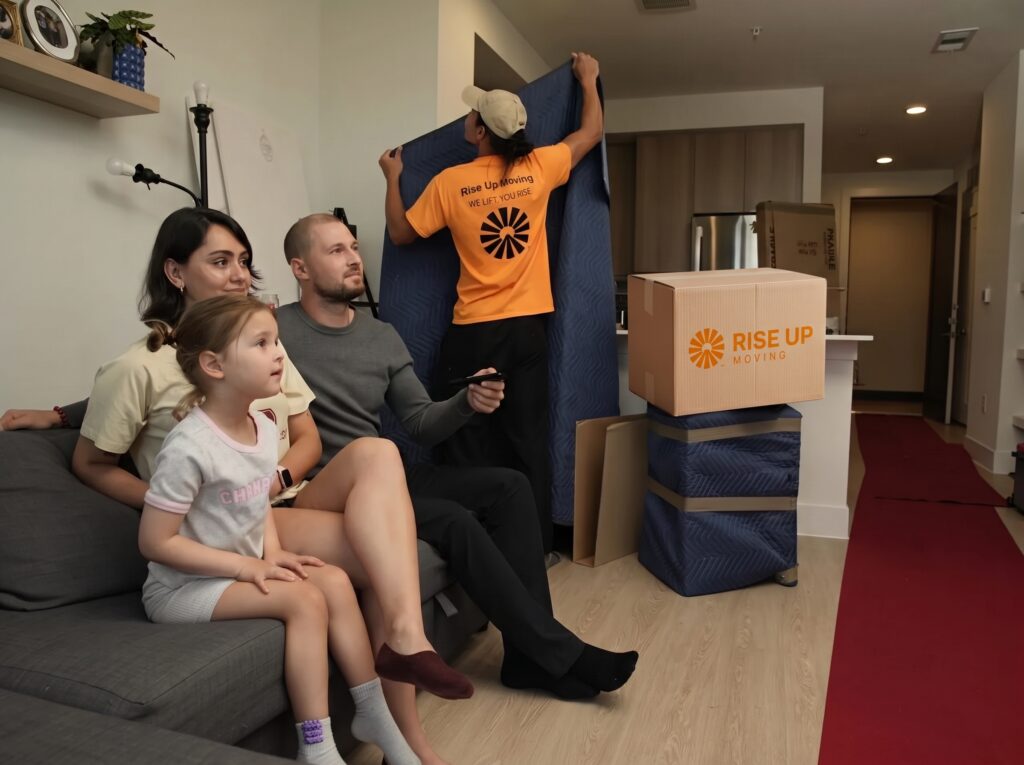
If you want the process to feel structured instead of chaotic, working with our Rise Up Moving team can make a noticeable difference. We focus on clear planning, careful handling, and actually understanding how San Francisco logistics work — which, frankly, is half the battle.
Having people who already know how to deal with access rules, tight streets, and timing constraints means fewer surprises on moving day.